
Faenza, city of ceramics
Faenza is located at the crossroads between Bologna, Ravenna and Florence, in the Emilia-Romagna region, in Italy.
The construction of the Via Emilia (187 b.C.) gave origin to Roman Faventia, on a site that had been inhabited since prehistoric times. In the 14th century, Faenza became a strategic cultural gateway, thanks to the connections the Manfredi family established with the Medici in Florence.
The city reached the peak of its artistic and technical fame during the Renaissance period, influencing the ceramic production to a national and international extent.

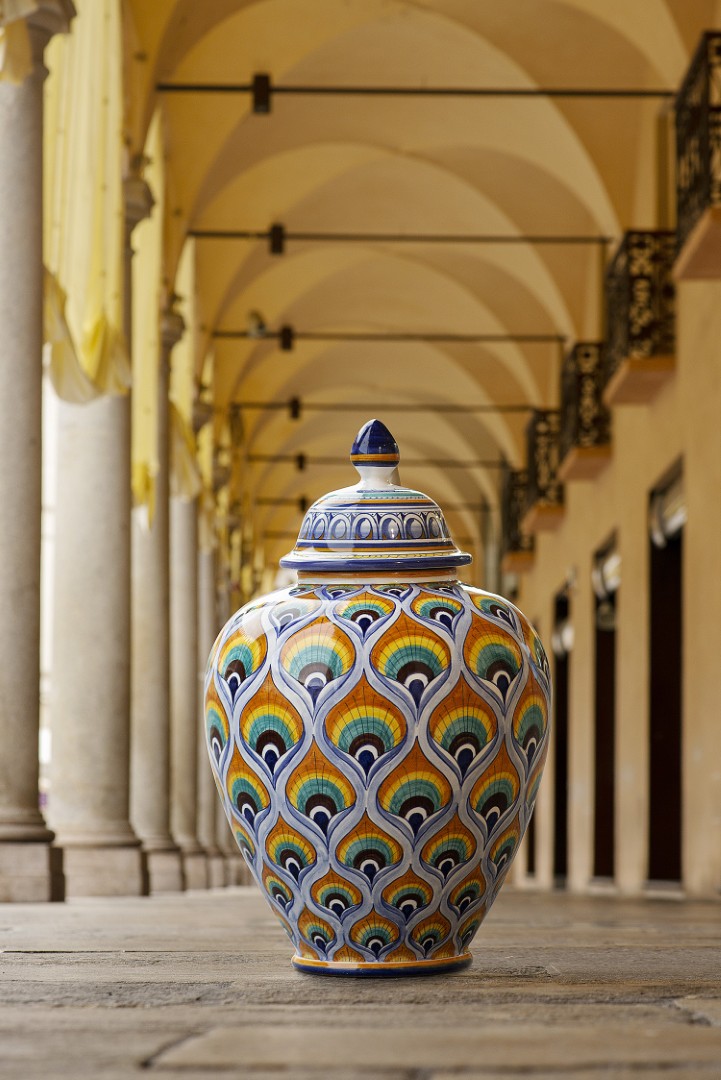
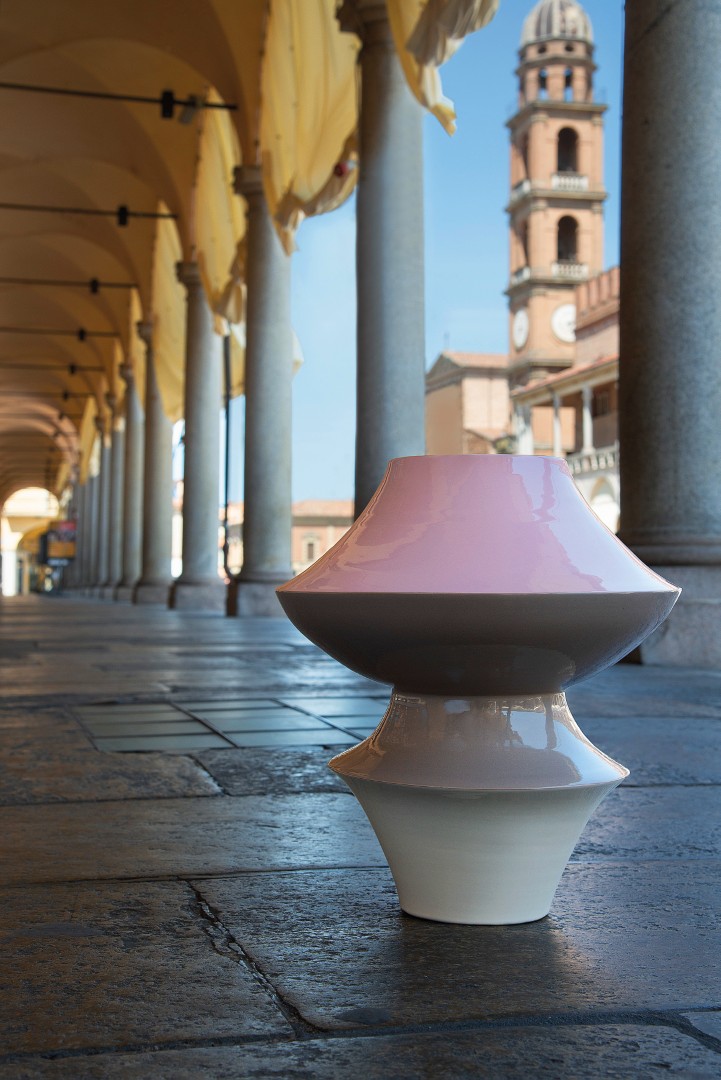
Today, precious neoclassical architecture, elegant shops, fine restaurants, both in the historic centre and in the green and gentle hills surrounding the city, represent a perfect example of the Italian lifestyle where art, creativity, innovation and research meet landscape, history and clay.
Thanks to the nature of the territory, rich in clays, and its strategic position, Faenza became a fundamental ceramic centre as early as the Middle Ages. The Renaissance period was characterised by typical decoration motifs and patterns inspired by the Arab and Middle East cultures.
In the second half of the 16th century, Faenza reached the peak of artistic and technical excellence with the so-called “bianchi” (white ware). Elegant artworks, as well as eccentric objects with a ribbed or pierced shape and a sketched decoration on a white glaze. The fame of these products was such that, since then, majolica is called Faience worldwide.
Over the centuries, the high level of technical expertise and a refined taste have consolidated the ceramic tradition encouraging ceramic artists to work on the international panorama, exploring the industrial and design sectors.
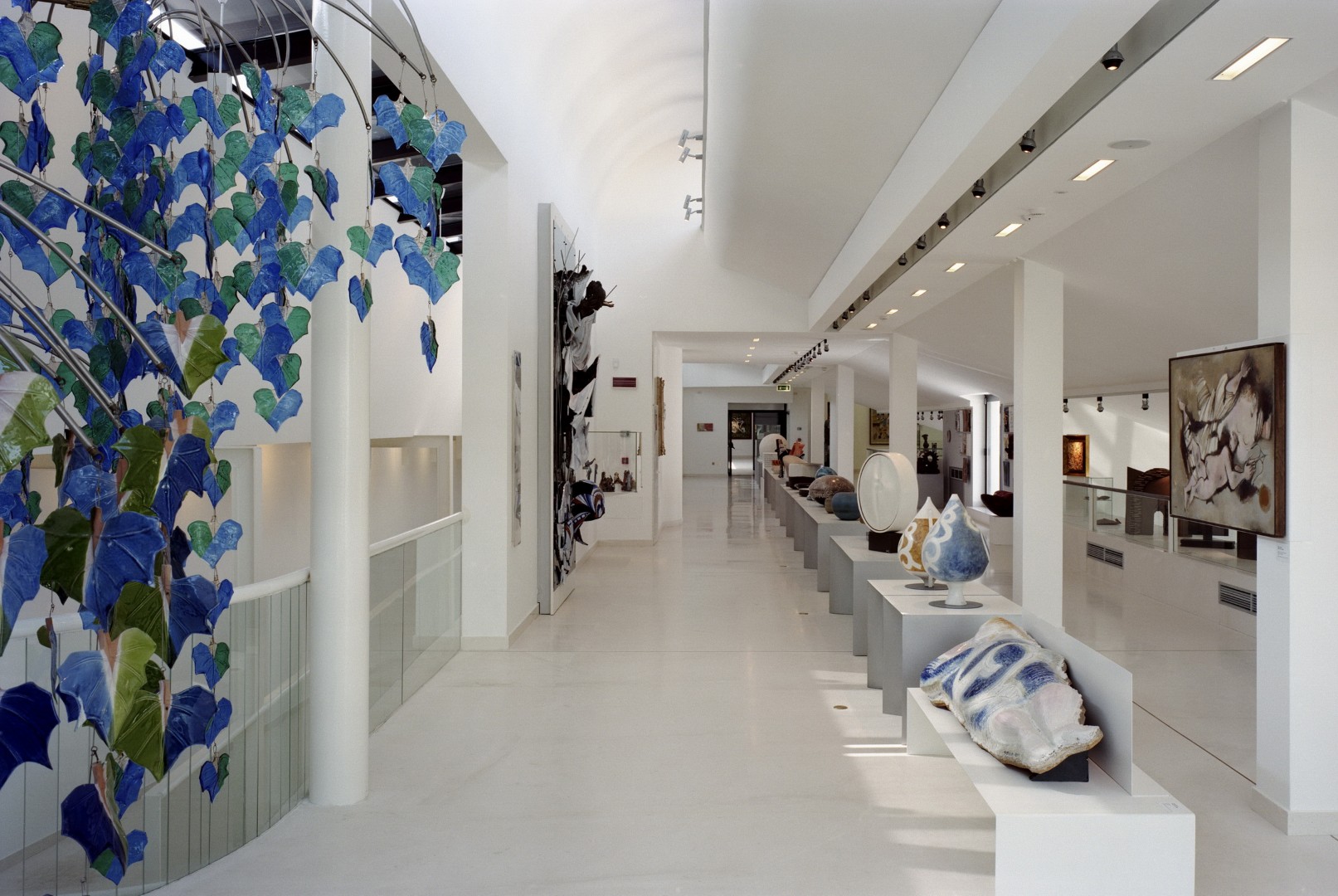
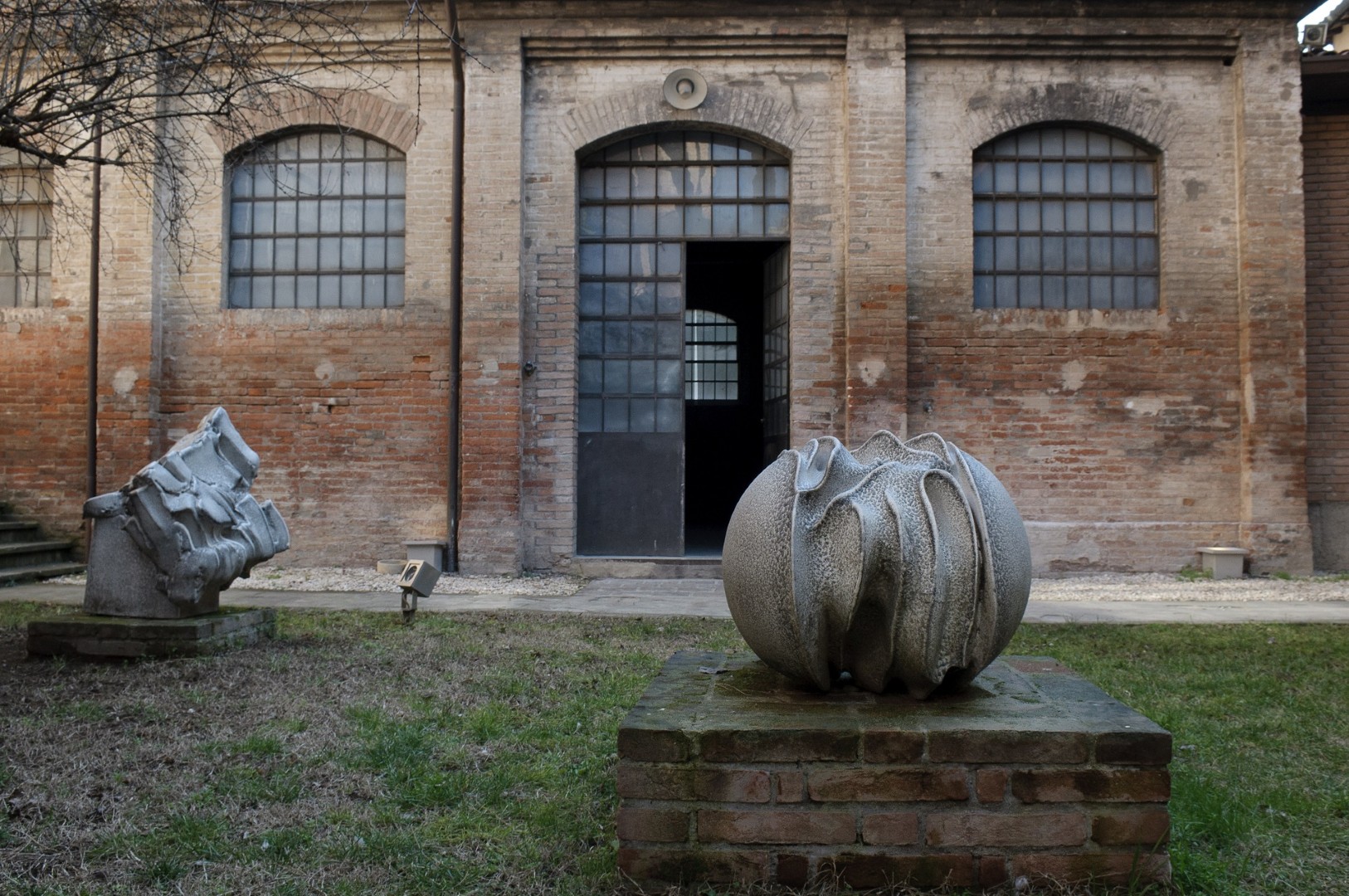

In Faenza, the International Museum of Ceramics (MIC) is the world’s largest collection of ceramic art. The museum preserves works from all over the world and from different historical periods. A large section is dedicated to modern and contemporary ceramics, which expands its collection every two years thanks to the international artistic ceramics competition Premio Faenza, with works from all over the world. Tourists in Faenza can also admire ceramic collections at Museo Carlo Zauli, Museo Guerrino Tramonti, Museo Gatti and many others.
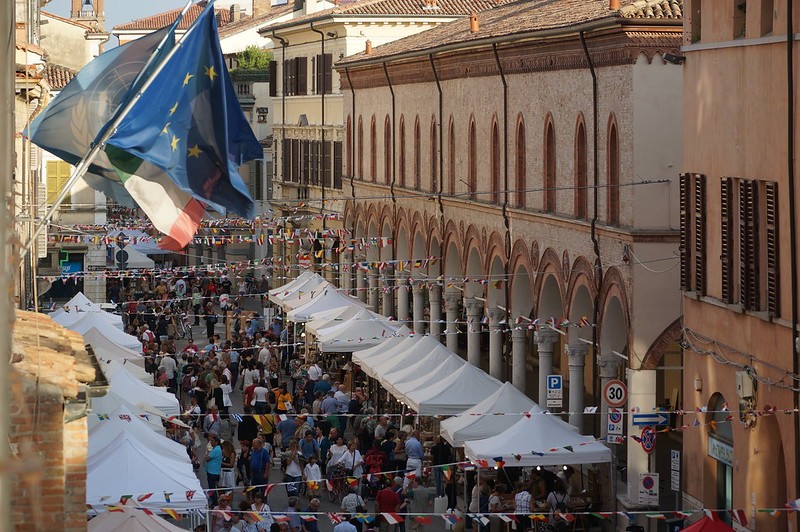
In Faenza, visitors can still admire the art of ceramic production in the over 60 ceramic workshops, ranging from historical reproductions to contemporary artistic experiments. In addition, every two years the city of Faenza hosts the International ceramic Festival and market fair Argillà Italia, with more than 200 international exhibitors, exhibitions, potters’ wheel competitions and open-air kilns, attracting artists, collectors and ceramic lovers from all over the world.