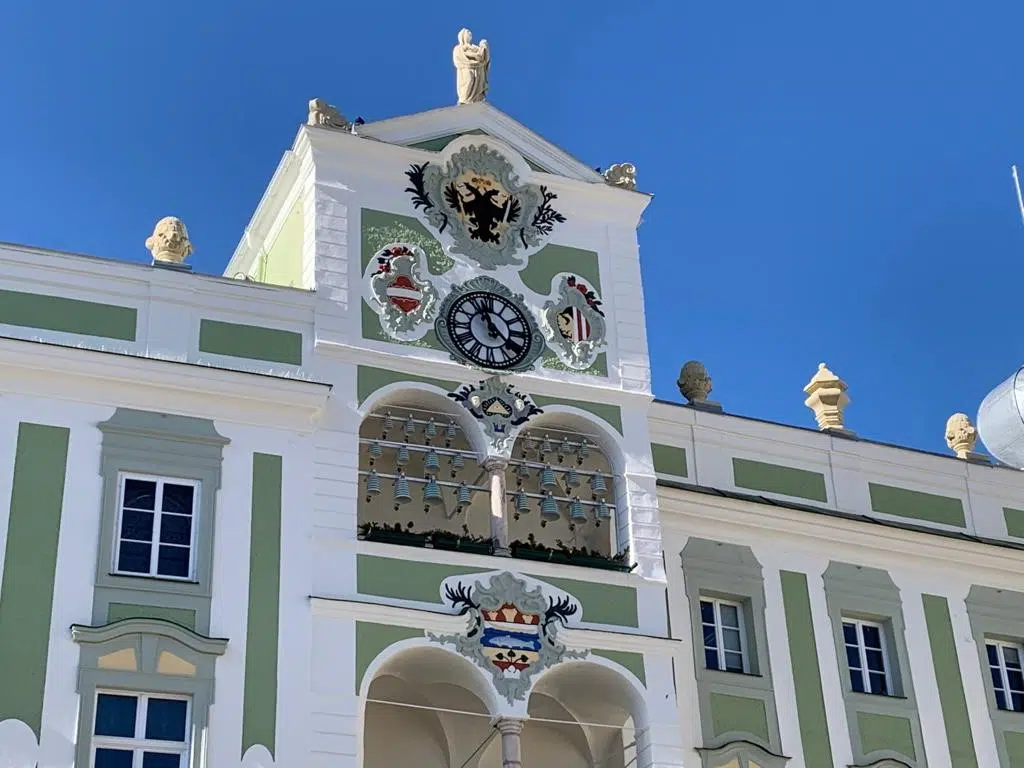

Gmunden
Gmunden (Austria) is twinned with Faenza since 25 October 2008.
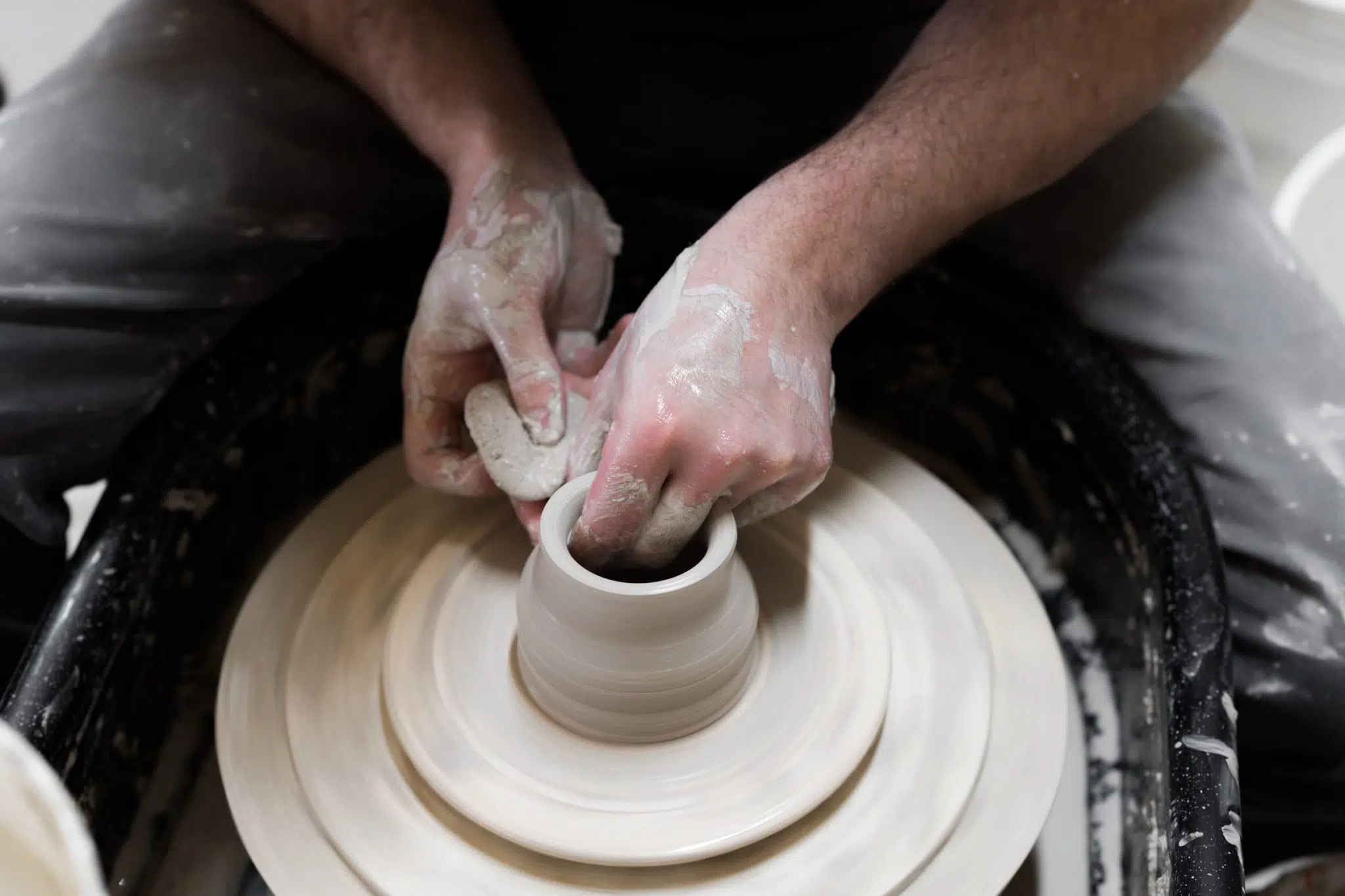
Findings prove that the technique of pottery production in the region around Gmunden was already known in the Stone Age. There are also finds from the Roman period, but Gmunden’s ceramic history became extremely remarkable in the Middle Ages. Kiln makers produced tiled stoves and utility ceramics and decorated their workpieces with decorative patterns. The first documented mention of a Hafnerhaus in Gmunden dates back to 1492.
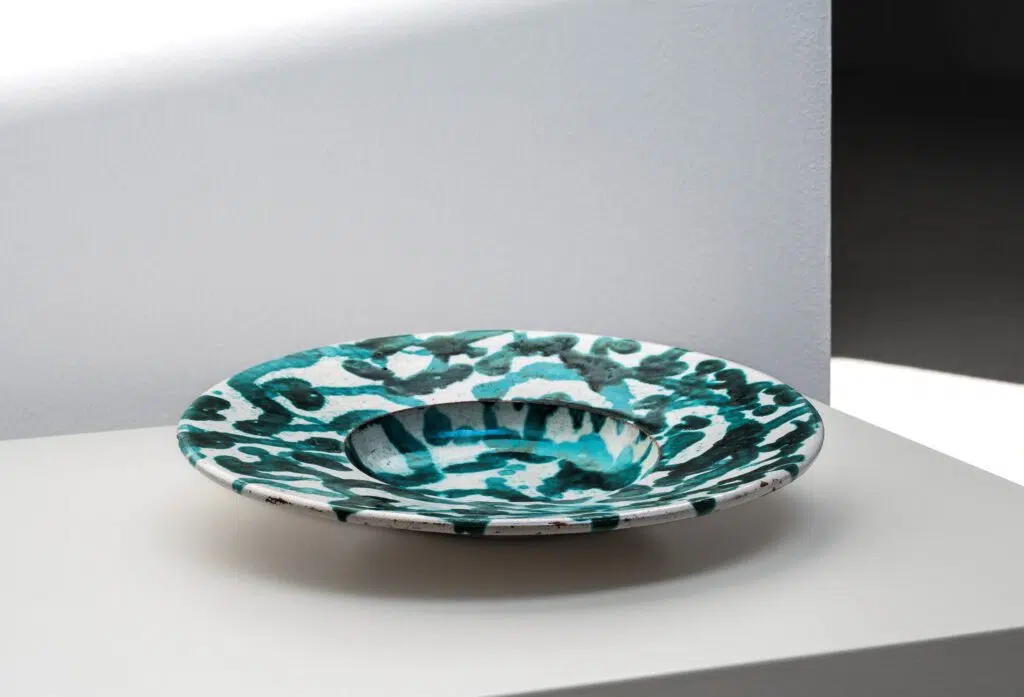
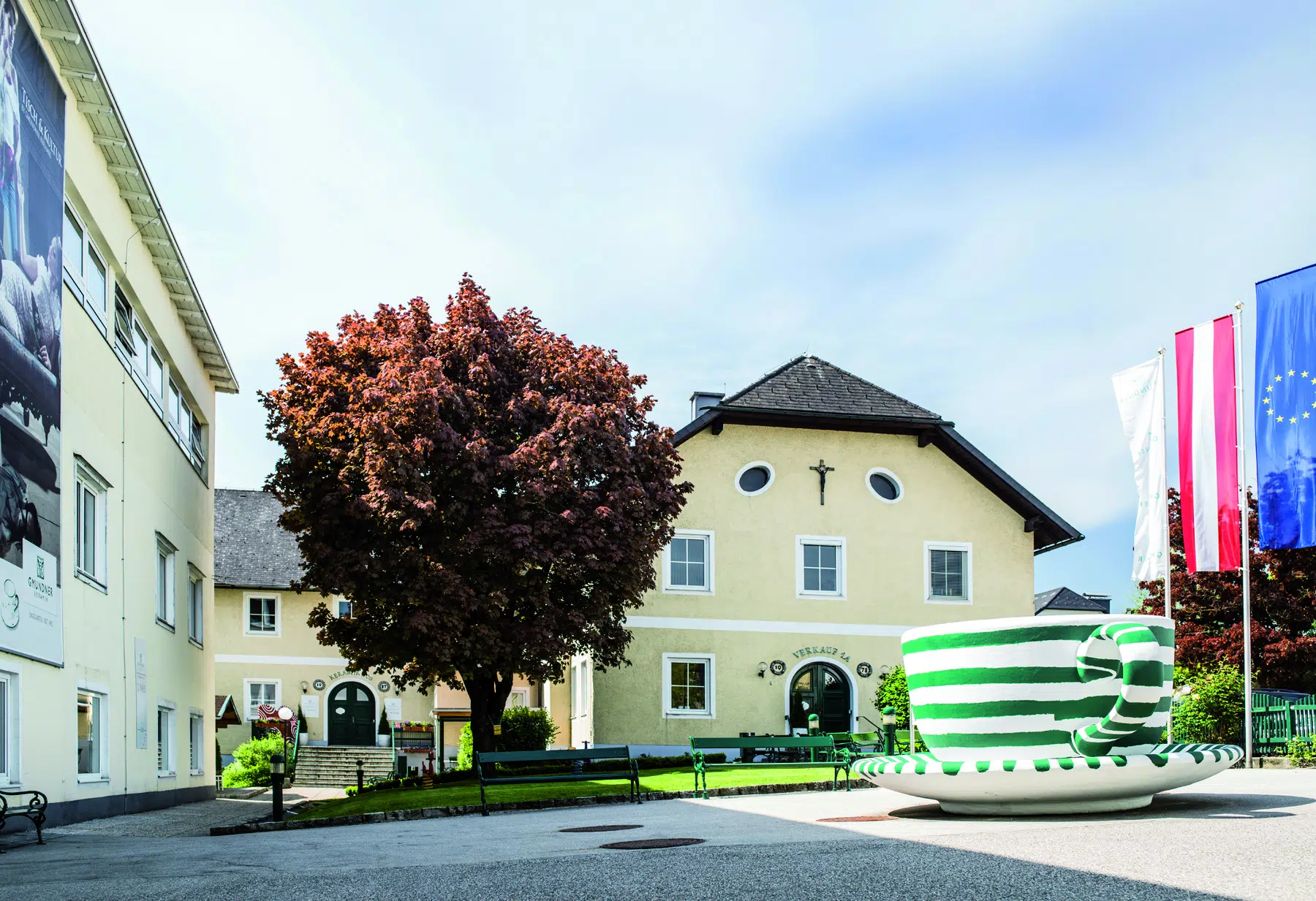
At 17th century Gmunden was already considered a stronghold of fine and ornamental ceramics. The decorative technique of flaming developed, which is now part of Austria’s intangible cultural heritage and is still practiced at the Gmundner Keramik Manufaktur. From the 18th century the precious Gmundner faiences, to which the town has its own museum, also originate.
From the 19th century onwards, Gmunden’s ceramic history is closely interwoven with the Schleiss family, who initiated the link between art and craft that is characteristic of Gmunden by collaborating with artists, especially from the Wiener Werkstätte. Also due to the summer stays of the imperial family in the Salzkammergut, there was a lively cultural exchange between Gmunden and Vienna.
In the 1960s and 1970s, the international symposia of Kurt Ohnsorg and the work of the design studio “Gruppe H” made Gmunden a ceramics hotspot and think tank throughout Europe, with a unique symbiotic fusion of art, craft and industrial production.
The 21st century was characterized by the developmento of global networking. The twinning with the Italian ceramics city of Faenza, the inclusion in the European Route of Ceramics and the International Academy of Ceramics (IAC) are important milestones for institutionalized international cooperation.